From Sod House to Cloche: The Women In Madge’s World

From a sod house to a cloche.  A trip through my grandmother Madge’s photo album filled with family photos and style inspiration for her millinery business.

Before there was a hatbox, there was a sod house.

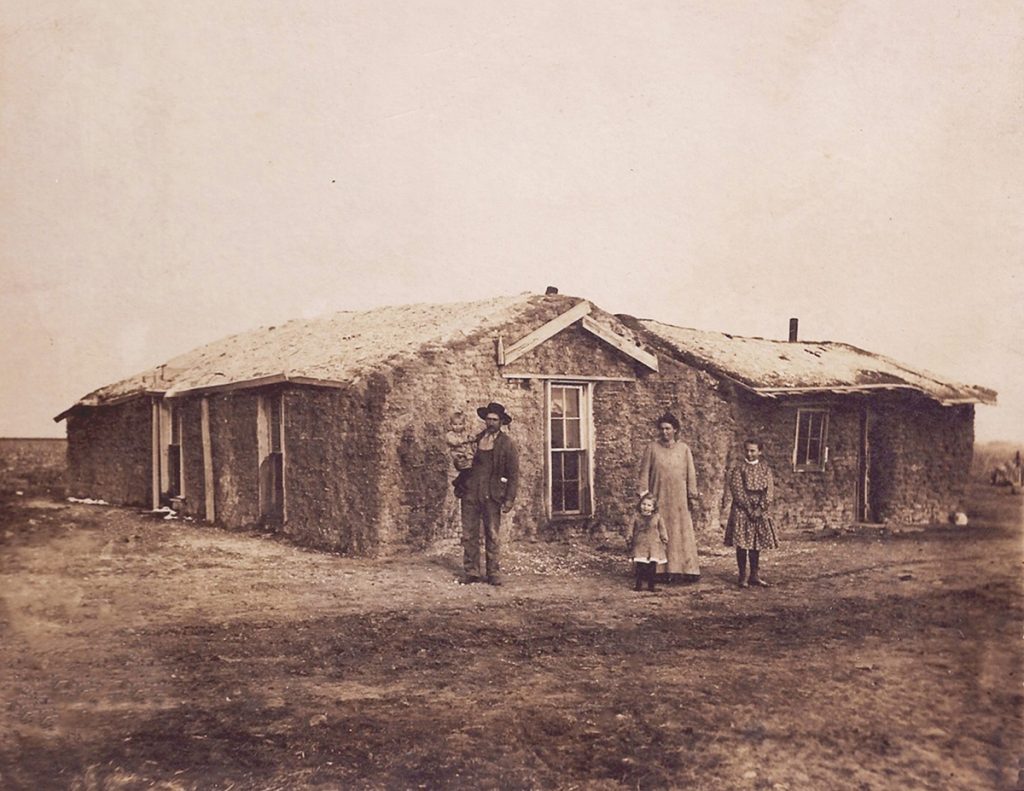
Madge at thirteen standing in front of her family’s sod house in Kansas, early 1900s. From Sod house to cloche
Madge, thirteen near Hays, Kansas. Where necessity and possibility met

The Beginning of a Milliner

Not a metaphorical one. A real one—cut straight from the Kansas prairie, low to the ground, built from the land itself. That’s where Madge, at age thirteen, stands with her family, the wind doing as it pleases, and beauty taking a backseat to survival.

And yet—this is where her story begins.

Because long before my grandmother Madge became a milliner, before she learned to block felt or place trim just so, she learned something far more lasting: that style isn’t excess. It’s intention. It’s what you carry with you when you don’t have much else.


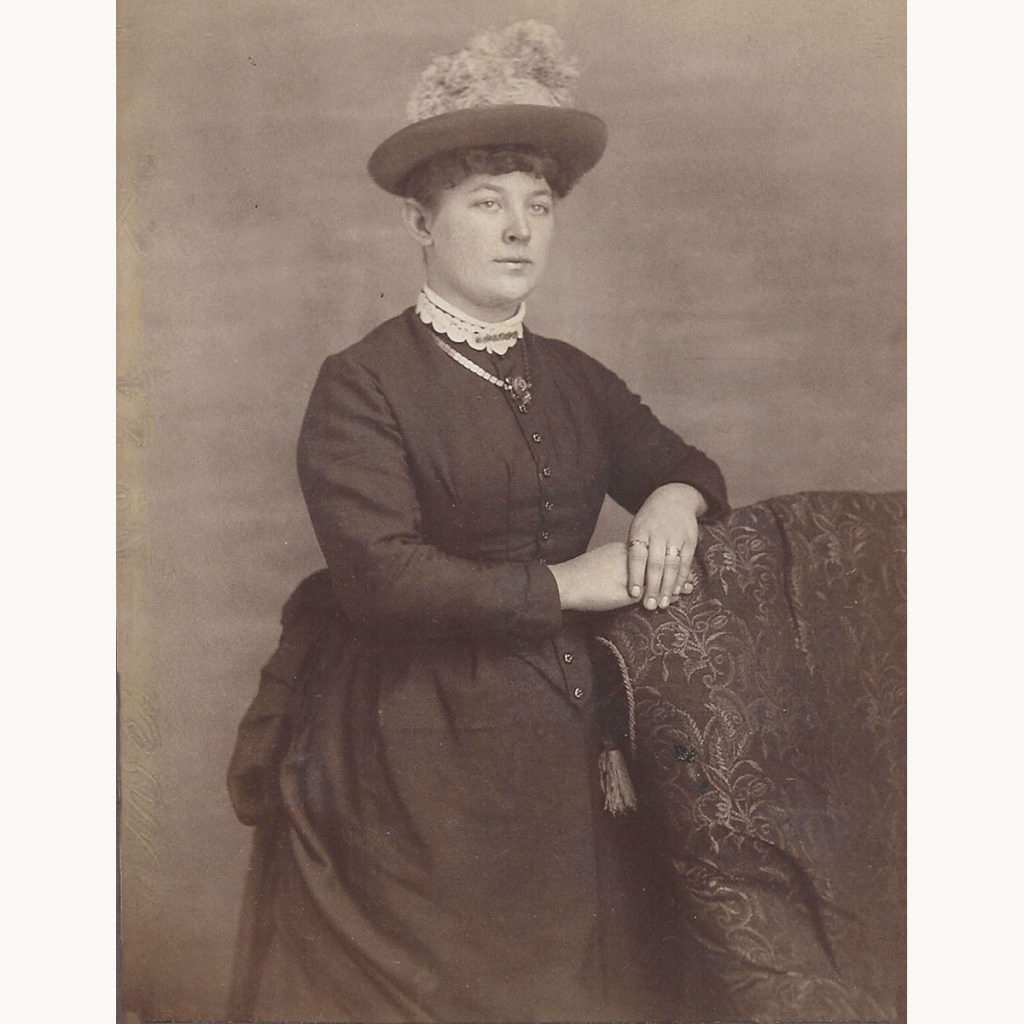
Portrait of Cousin Nannie Swindell wearing a late Victorian to early Edwardian hat and high-collared dress.
Cousin Nannie Swindell, late Victorian to early Edwardian—poise and restraint before flourish.
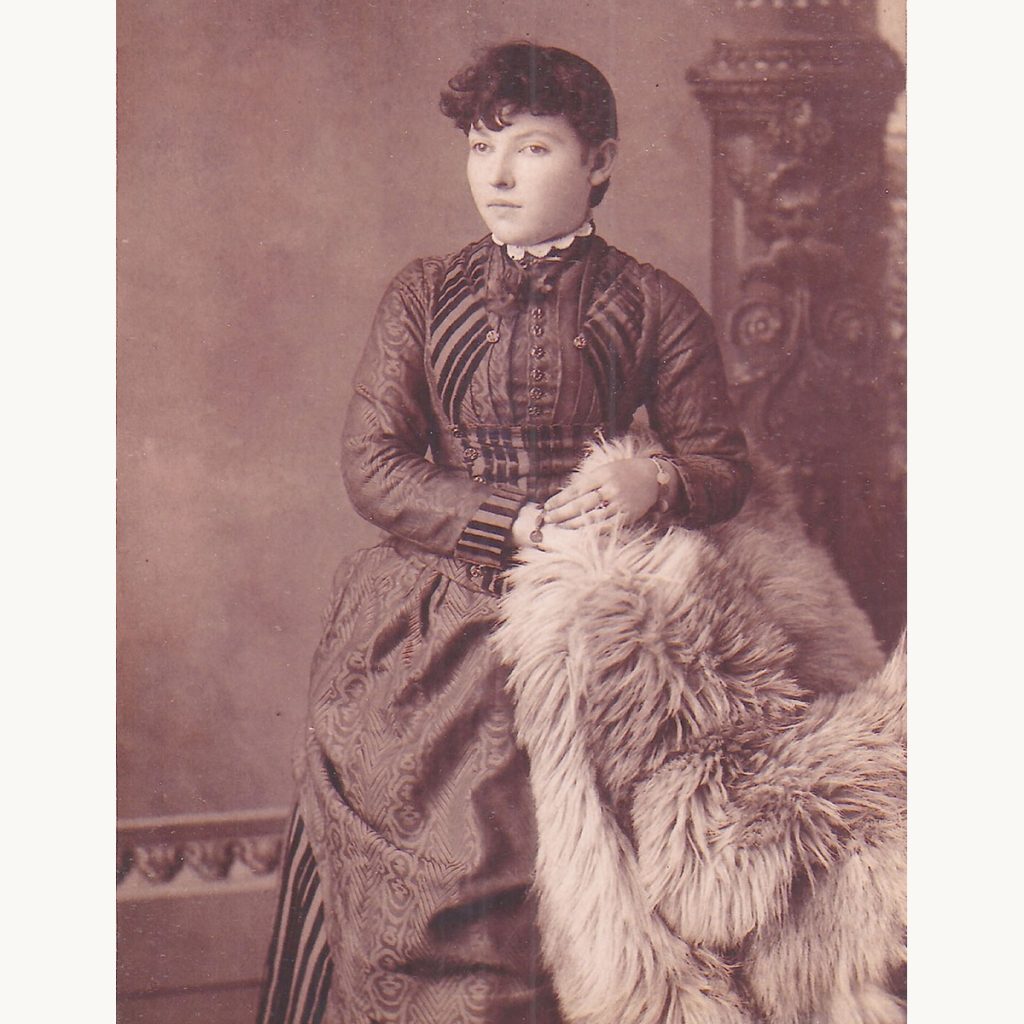
Victorian-era portrait of a woman wearing a patterned dress and fur throw.

The Women Before Her

The women in Madge’s world did not dress for spectacle alone. They dressed for work, for propriety, for travel, for the moment they were living in—and sometimes, for the quiet pleasure of it.

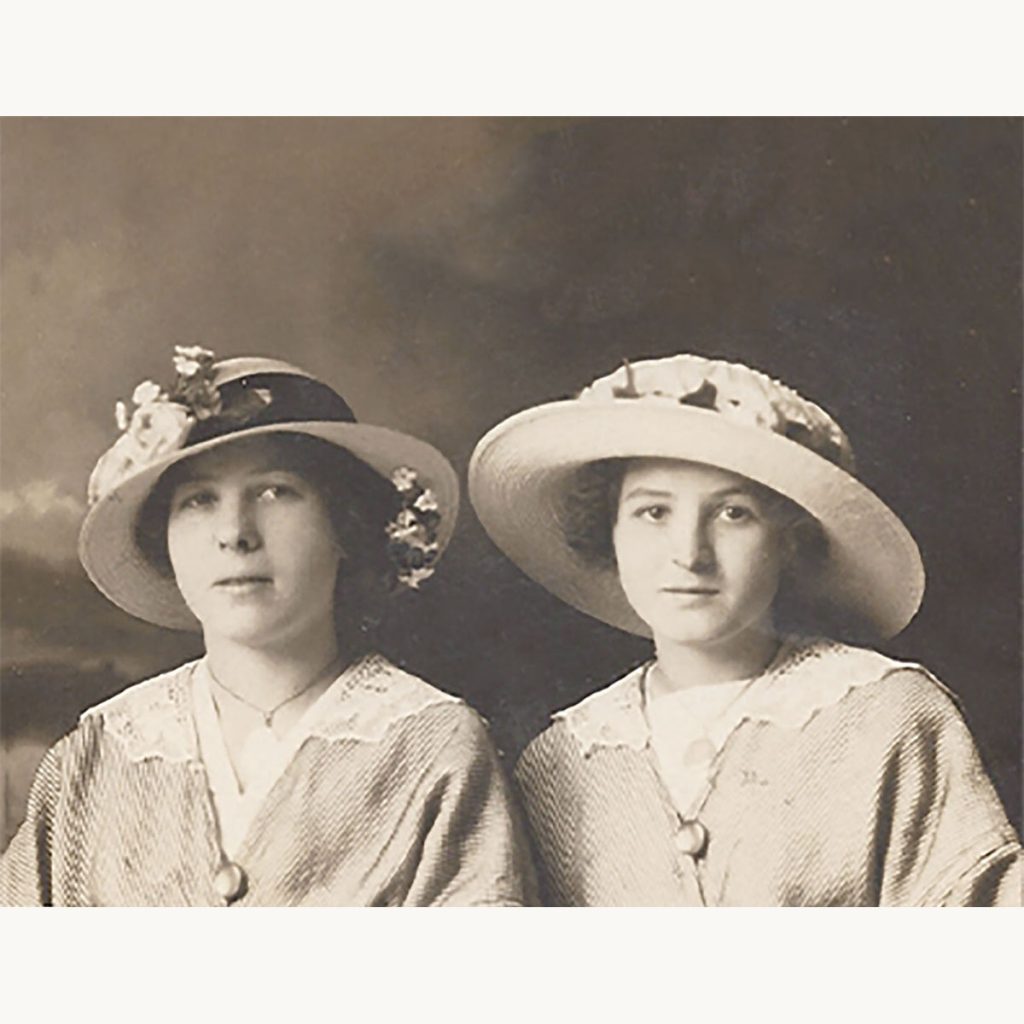
Two young women wearing Edwardian wide-brim hats and blouses, early 1900s.
Edwardian youth: wide brims and youthful confidence at the turn of the century

In the late Victorian years, collars stood high, and rules stood higher. Dresses were structured. Hats were modest but deliberate, feathers rising with restraint rather than flourish. These women carried themselves with composure learned early. They followed conventions—but they noticed details.

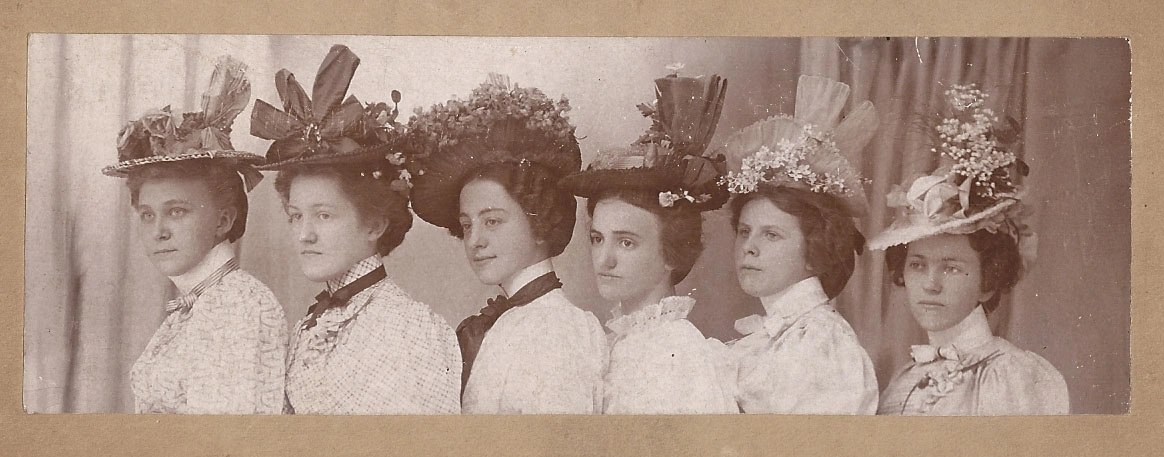
antique photo Women in Edwardian hats

Women Rule The Room

As the Edwardian years unfolded, the rules softened. Hats grew wider, brims stretched outward, trims reached skyward. Picture hats appeared, theatrical and unapologetic, balanced carefully atop women who were beginning to take up more space—socially and physically.  This photo might have inspired some of Madge’s hat designs.

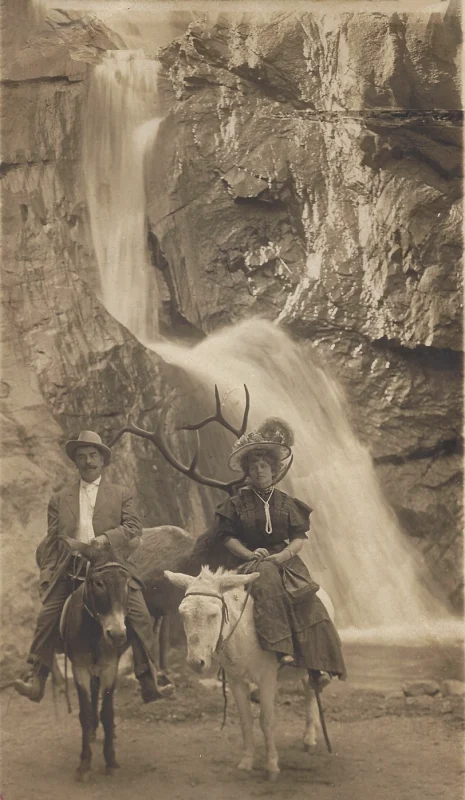
Seven Falls, Donkey Pearls
Seven Falls, Colorado Springs. Pearls optional. Apparently not!

One woman rides a donkey before a waterfall, pearls swinging against her bodice, her hat perfectly in place despite the setting. The location is Seven Falls in Colorado Springs—a destination so popular at the turn of the century that countless visitors posed in this exact spot. What makes the image irresistible is how dressed she is. Pearls. Hat. The full look. And she wasn’t the exception. When travel was rare and costly, you arrived in your finest. Sightseeing wasn’t casual—it was ceremonial.

Learning Lessons with Contemporaries

Madge didn’t grow up surrounded by abundance. She grew up surrounded by contrast.

On one hand, the plainness of prairie life—hard work, practical clothing, little room for ornament. On the other hand, photographs filled with careful choices: a ribbon placed just so, a collar starched and precise, a fur throw worn with purpose.

That contrast sharpens the sensibility.

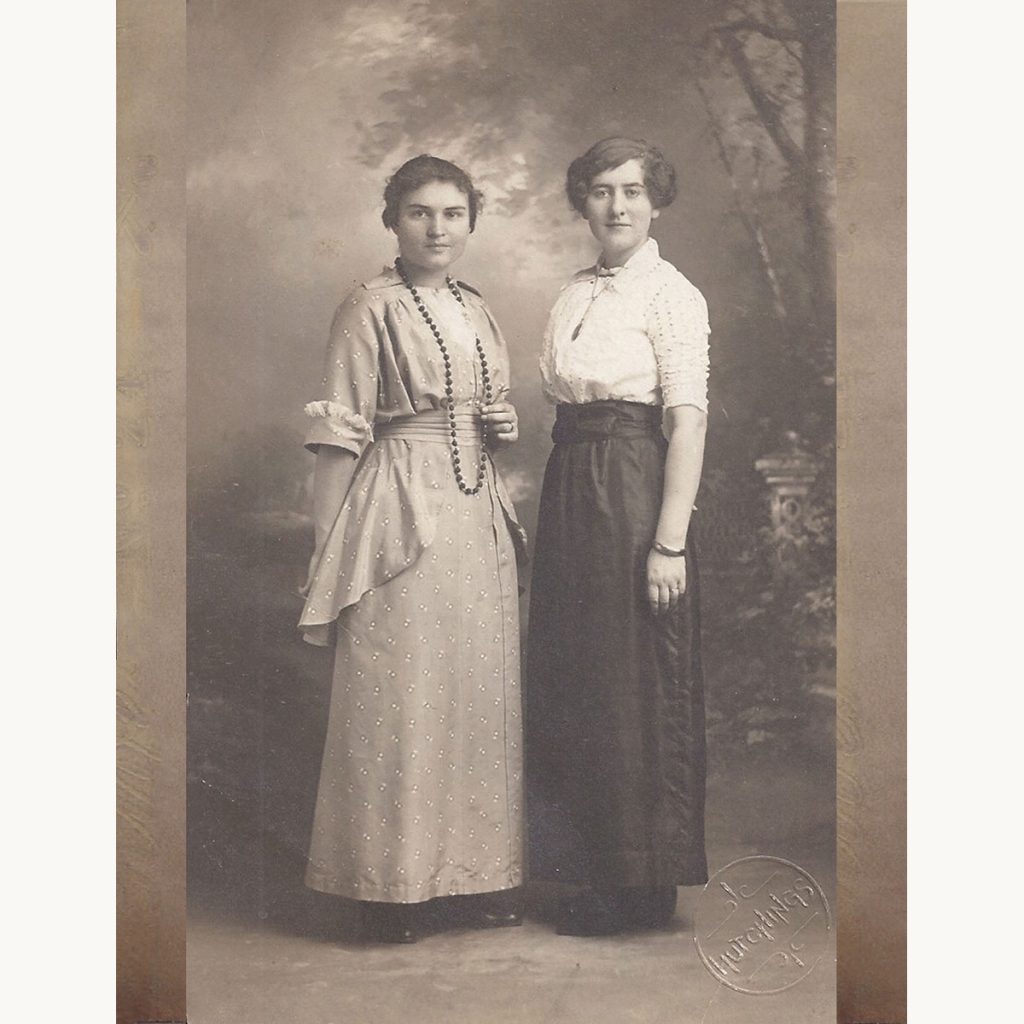
Madge at sixteen standing with another young woman, wearing early 20th-century dress, circa 1910.
Madge age 16, on left, and 1910—friendship and style in a changing world

By sixteen, Madge herself had stepped into that in-between place. No longer a child of necessity, not yet a woman of full independence. Her dresses softened. Her posture relaxed. Fashion was no longer something she observed from the sidelines—it was something she was beginning to understand.

Not trends. Construction. Balance. What made something feel right.

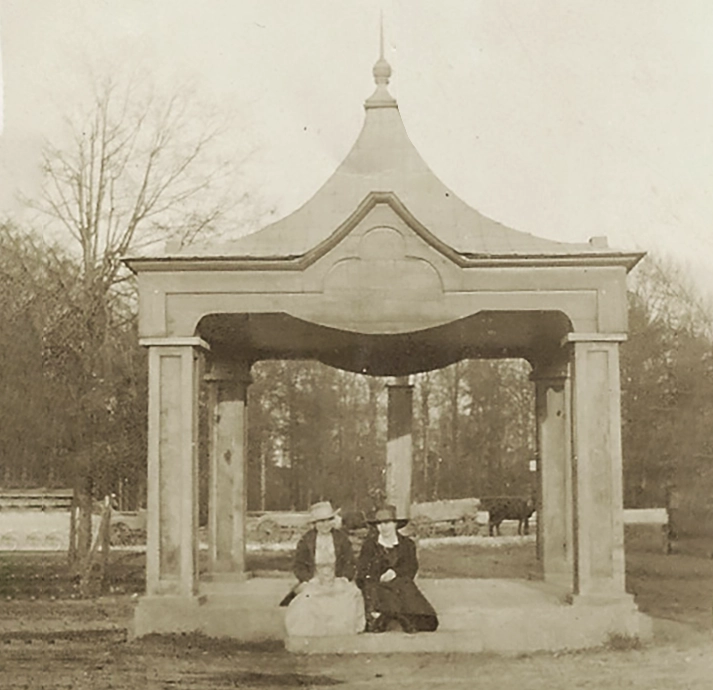
Madge seated with a colleague under a gazebo during her early years as a department store milliner, 1917. from Sod house to cloche
Madge, making her way as a milliner, with a girlfried in Scooba MS, 1917

Madge as a Milliner

1917, Madge steps out as a milliner working at Robinson & Shaff, the leading department store in Scooba, Mississippi.  A new freedom from family obligations.  Out on her own far away from Kansas in a rough and tumble railroad town.  Here her style must reflect the newest available at the store plus her flair for hats.

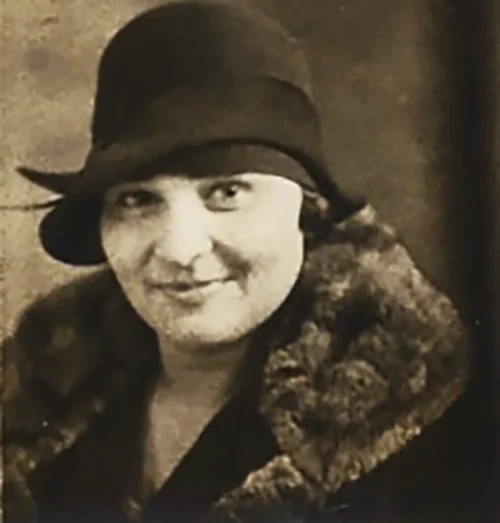
Madge wearing a cloche hat and fur collar, late 1920s portrait.

The Making of a Modern Woman

By 1929, Madge had arrived squarely in her own era.

Gone were the wide Edwardian brims and rigid Victorian lines. In their place: the cloche. Pulled low. Confident. Modern. A hat that didn’t decorate the wearer—it declared her.

The woman beneath it looks directly at the camera. She knows who she is. She has lived through change and adapted without apology. She understands restraint because she’s known excess, and elegance because she’s known hardship.

This is not a woman wearing fashion to impress.
This is a woman choosing it.

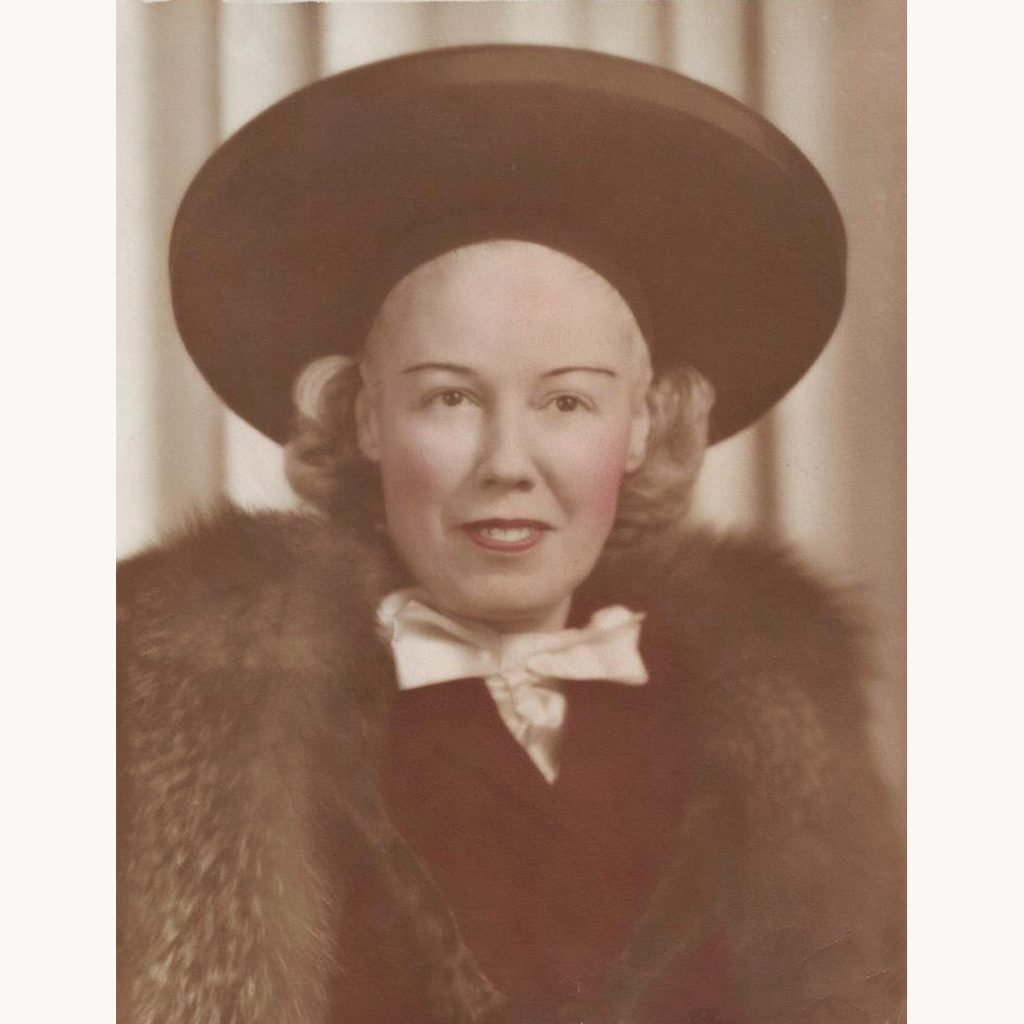
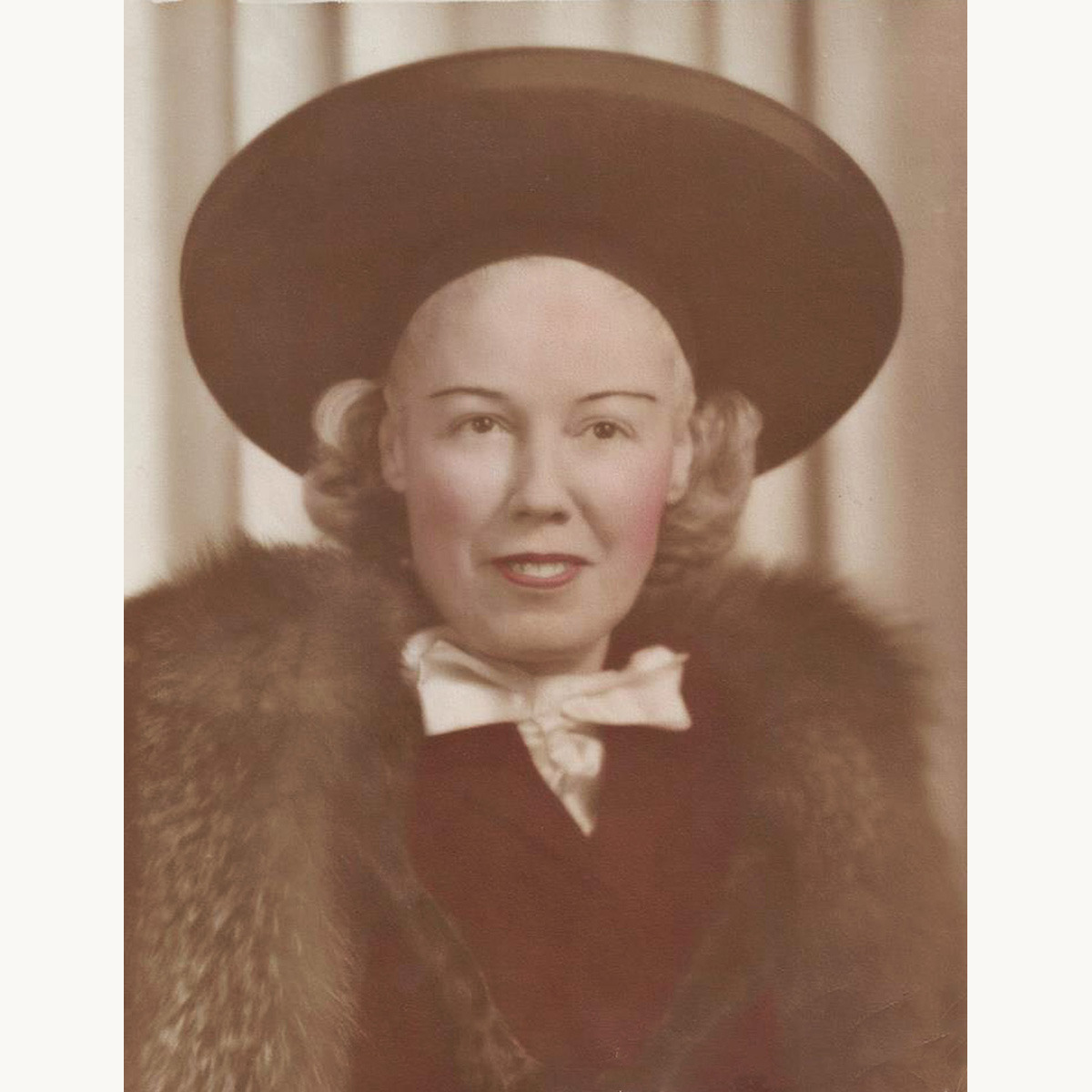
Aunt Julia in a hand-tinted studio portrait wearing a wide-brim hat and fur collar, early 1940s.

Style Becomes Modern

Between the cloche years and the softer rhythms of mid-century life stands Aunt Julia. Her hand-tinted portrait captures a moment when fashion had settled into something more personal—less about declaration, more about assurance. The hat remains, the fur still frames the face, but the mood has changed. This is style lived with ease, carried forward not as spectacle, but as habit. It’s the bridge between becoming and being.

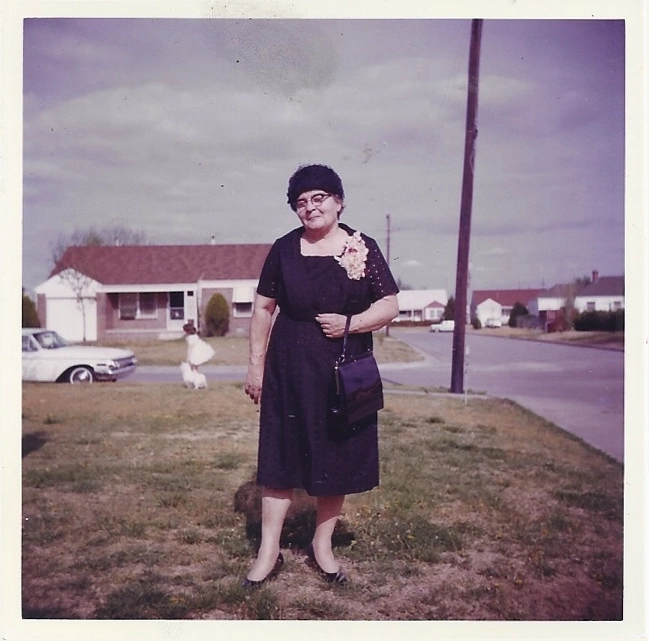
Madge in the 1960s wearing a dress and hat, photographed outdoors in a suburban setting.
Madge, 1960s. Still choosing her look

Why These Women Matter

Madge’s Hatbox was never just about hats.

It was about continuity. About the quiet education passed from one generation of women to the next—not through instruction, but through example. Through what they wore when it mattered, and sometimes when it didn’t.

These women taught Madge that beauty is not separate from life. It’s shaped by it.

And every time you slip on a vintage hat—every time you choose something made to last, something chosen with care—you’re stepping into that same world.

From sod house to cloche.
And beyond.

Madge's Hatbox Signature

Interested in more of Madge’s story?  Found out how I uncovered her millinery career.

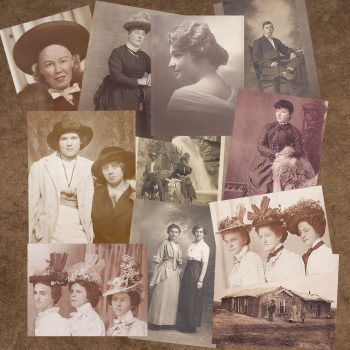
Enjoying these photos?  Get the postcard set.

product shippingproduct shipping

Comment Below

2 Comments

Send a Comment

Your email address will not be published.

This site uses Akismet to reduce spam. Learn how your comment data is processed.


Do you want to hide this popup?