
And now dear readers a story…
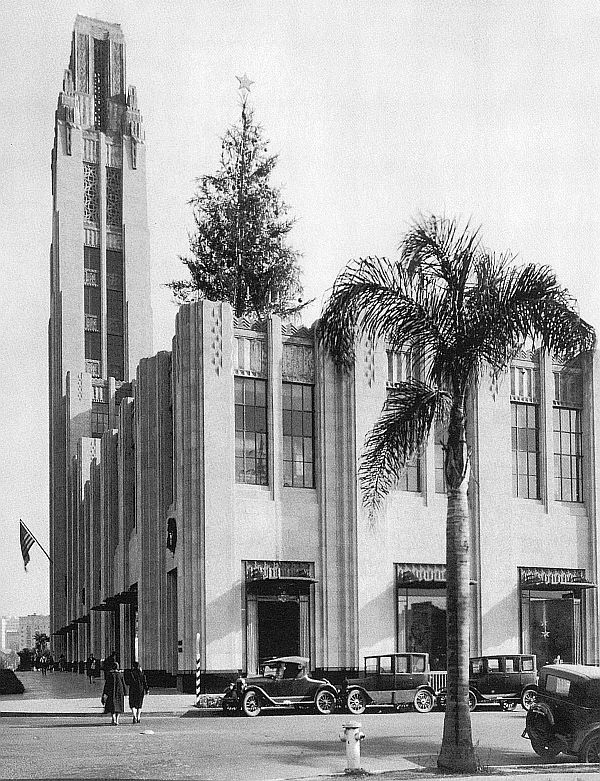
Once upon a time, in a land far, far away, in an era long ago, there was the hometown department store. Now extinct, they were once found in every city. Larger cities had more than one, and they weren’t all called Macy’s.
Owned and run by descendants of the founders, who were leaders in their communities. These retail titans built retail emporiums, occupying whole downtown blocks, often architectural masterpieces.
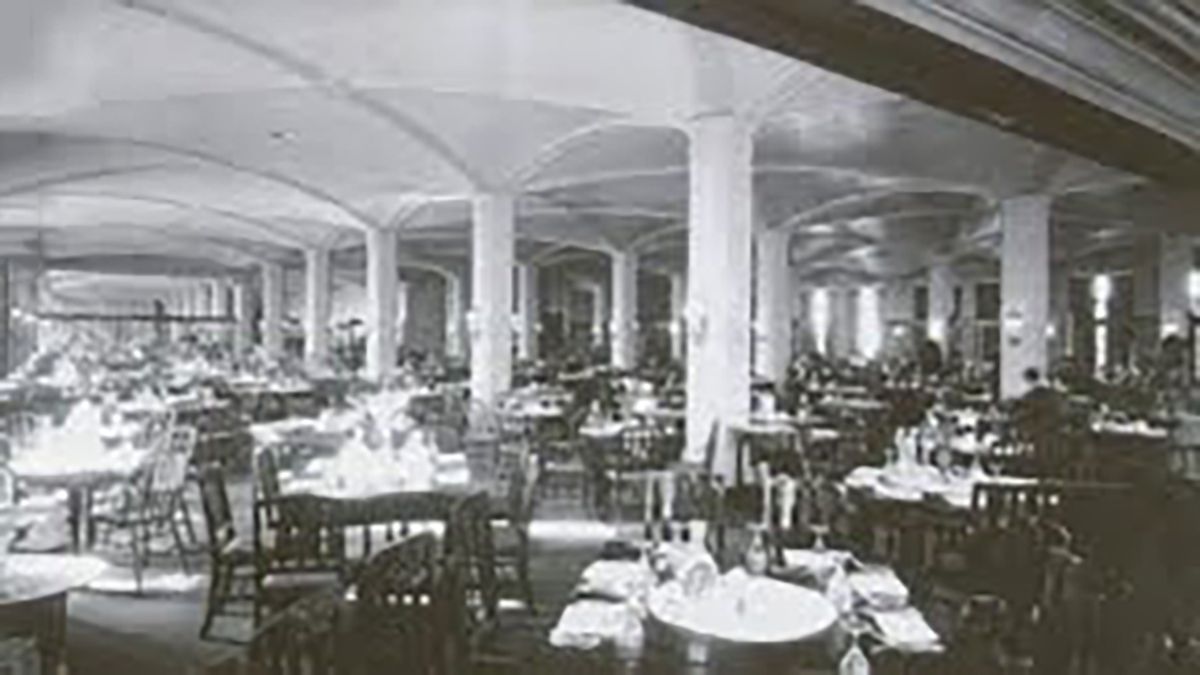
These department stores had a tearoom and a bargain basement and incredible Christmas windows that people would stand in line to see. These were stores that had a point of view and not the same merchandise as everyone else. Professional sales clerks worked there and were often with the same company their entire careers. They knew you, your size and taste, and called you when something came in they thought you would like. Floor managers, actually on the floor, often wearing carnations on their suit lapels, stood ready to help you. (Yes they were almost always men, but no story is perfect).
Free gift-wrap, home delivery and store charge accounts. A sale was really a sale, usually only two a year, so you knew you were really getting a deal. No were constant mark downs, but the goodies that awaited you in that famous bargain basement. Shopping was an event; some might even call fun. You got dressed up and spent the day, taking a much-needed respite at noon in the tearoom for their signature chicken salad with grapes.
There was the Broadway and Goldwater’s in Phoenix, Joseph Magnin and the White House in San Francisco. The Denver and Neusteter’s in where else, Denver. Rich’s and Davison in Atlanta and my beloved Marshall Fields in Chicago. New Orleans had Maison Blanche and in Philly, the legendary Wanamaker’s with their magnificent pipe organ.
My mom and I shopped at Hartzfeld’s and The Jones Store in Kansas City; Stix, Baer & Fuller in St. Louis, and at Innes and Bucks in my home town of Wichita. And then of course there was: _____________ (fill in your hometown store here).
It is possible, however, revisit those golden days through an amazing website called The Department Store Museum (DSM).

This site is a treasure trove of historic photos and in-depth descriptions the stores, even down to the merchandise on each floor. There are sample shopping bags and even photos of store credit cards and security badges. Stores are organized by the state in which they were located and you can spend hours going through role of honor.
Created by Bruce Allen Kopytek, an architect in Massachusetts, hs love of department store shines through. Bruce has written three books, Toledo’s Three Ls: Lamson’s, Lion Store and LaSalle’s; Jacobson’s: I Miss It So, a history of the famous Michigan chain; and his latest Eaton’s: The Trans-Canada Store. I reached out to find out how he got interested in this subject.
“I loved the “department store idea” ever since I was young and visited downtown Detroit when it was an altogether different place. Later, we visited big stores wherever we traveled With access to out-of-town newspapers in libraries, I traced department store logos, wrote down department locations, etc. It seemed like a foolish waste of time to a young man that was pretty studious. However it is actually paying off now.”
Bruce and his Department Store Museum remind us that there was a time, not so long ago when the customer was king and shopping was an event. His site asks this provocative question: “Why are we not good enough for such a gamut of retail options today?”
Why indeed.

Photos copyright © 2025 Madge’s Hatbox Vintage. Join our Facebook group, Mad About Vintage, for weekly specials.